
200+ Sociology Research Topics: Your Ultimate Guide for 2025


Sociology is not just about memorizing theories or citing old textbooks, it is about understanding the complex web of social interactions, cultural dynamics, and institutional structures that shape our world around us. From TikTok trends to climate protests, sociology helps us make sense of how people interact, change, and build communities. We have curated over 200+ Sociology Research Topics that are not only relevant but also engaging. These topics are designed to help you explore the complexities of human behavior and societal structures.
In 2025, we are living through some of the most fascinating social changes in human history. 94% of data and AI leaders say that interest in AI is leading to a greater focus on data, which means sociologists have unprecedented opportunities to study how technology shapes our social lives.
Whether you are a college student prepping for a research paper or just someone curious about society, picking the right topic can make all the difference. The list offers a wide array of possibilities that span the breadth of sociological study. From the impact of emerging technologies on social structures to the shifting paradigms of identity and community, these topics reflect the pulse of contemporary society and the challenges that lie ahead.
What Makes a Great Sociology Research Topic in 2025?
Your sociology research topic needs three things:
- Relevance: Does it connect to current social issues?
- Feasibility: Can you research it with available resources?
- Originality: Does it offer a fresh perspective?
The best topics right now explore how traditional social structures interact with new technologies, changing demographics, and evolving cultural norms.
Think about it: five years ago, nobody was studying “TikTok’s influence on political activism among Gen Z.” Today, it’s a goldmine of sociological insight.
Top Trending Sociology Research Topics for 2025
Digital Sociology and AI Impact
The intersection of technology and society is exploding with research opportunities. Sociologists are making three key contributions to AI study: critical analysis of AI hype, empirical study of AI’s co-constitution with social processes, and identification of structural change avenues.
Current Hot Topics:
- How AI algorithms perpetuate social inequalities in hiring
- Social media’s role in shaping teenage identity formation
- Digital divide effects on educational outcomes post-pandemic
- Virtual reality’s impact on empathy and social connection
- Cryptocurrency communities and alternative economic structures
- Remote work’s influence on urban community dynamics
- Dating app culture and changing relationship norms
Technology and Social Change
Technology continues to reshape society at an unprecedented pace. Explore these 15 topics:
- The social implications of widespread automation and AI on employment and skill development
- Digital citizenship and online civic engagement: New forms of political participation
- The impact of augmented reality on social interactions and perceptions of reality
- Blockchain technology and its potential for social good beyond cryptocurrencies
- The role of influencers in shaping public opinion and consumer behavior
- Privacy concerns in smart cities: Balancing innovation and individual rights
- The sociology of human-robot interactions in workplaces and social settings
- Social media echo chambers and their impact on political polarization
- The sharing economy: Transforming ownership concepts and community relations
- Virtual and augmented reality in education: Potential for experiential learning
- The impact of 5G technology on social connectivity and the digital divide
- Algorithmic bias: Implications for social justice and decision-making
- The role of technology in disaster response and community resilience
- Digital minimalism: Societal responses to technology overload
- The sociology of artificial intelligence ethics and governance
Research Question Examples:
- “How do recommendation algorithms on social platforms reinforce echo chambers?”
- “What social factors determine cryptocurrency adoption in different communities?”
- “How has remote work changed neighborhood social dynamics in suburban areas?”
Social Justice and Contemporary Movements
Social movements are evolving rapidly. Traditional protest methods now blend with digital activism in ways we’ve never seen before.
Compelling Topics:
- Intersectionality in modern feminist movements
- Climate activism strategies across different age groups
- Social media’s role in organizing grassroots movements
- How younger generations approach racial justice differently than previous ones
- LGBTQ+ rights movements in conservative communities
- Disability rights activism in the digital age
- Economic inequality and its impact on political participation
Research Question Examples:
- “How do climate activists use social media to mobilize across geographic boundaries?”
- “What role does intersectionality play in contemporary feminist organizing?”
- “How do disability advocates use digital platforms to challenge social norms?”
Family and Relationship Dynamics
Family structures continue evolving, especially after the pandemic reshaped how we think about home, work, and relationships.
Fresh Research Areas:
- Multigenerational households and changing family economics
- Chosen families in LGBTQ+ communities
- Impact of delayed marriage on career and financial outcomes
- Single-parent families and community support systems
- Grandparents as primary caregivers: social and economic implications
- Polyamory and alternative relationship structures gaining mainstream acceptance
- How social media affects parent-child relationships
- Polyamorous families: Challenges, social acceptance, and legal recognition
- The rise of childfree lifestyles among millennials and Gen Z: Motivations and societal responses
- Co-parenting in the digital age: Technology’s role in separated families
- Intergenerational households: Benefits, challenges, and cultural variations
- The impact of remote work on work-life balance and family dynamics
- Assisted reproductive technologies and their effect on family formation and kinship concepts
- Pet parenting as an alternative family structure: Societal perceptions and trends
- The role of social media in maintaining long-distance family relationships
- LGBTQ+ families: Evolving social acceptance and remaining challenges
- Single-parent households: Changing perceptions and support systems
- The changing role of grandparents in modern family structures
- Blended families: Navigating complex relationships and identities
- The impact of delayed marriage and parenthood on family structures
- Transnational families: Maintaining bonds across borders
Research Question Examples:
- “How do chosen families create support systems that replace traditional family structures?”
- “What social factors contribute to the rise in multigenerational living arrangements?”
- “How has delayed childbearing affected women’s career trajectories and social expectations?”
Urban Sociology and Community Change
Cities are transforming rapidly. Gentrification, remote work trends, and climate change are reshaping urban landscapes and communities.
Relevant Topics:
- Gentrification’s impact on long-term community residents
- Food deserts and their relationship to health disparities
- Urban farming movements and community building
- How bike-sharing programs affect neighborhood social dynamics
- Street art as community expression and gentrification resistance
- Public space usage changes post-pandemic
- Affordable housing advocacy and community organizing
- The rise of 15-minute cities and their impact on community building and social cohesion
- Urban agriculture and food security initiatives in megacities
- The sociology of tiny house communities and minimalist living movements
- Gentrification and cultural preservation strategies in historic neighborhoods
- Co-living spaces: A solution to urban housing crises or a reflection of social isolation?
- The impact of green spaces on mental health and community well-being in urban environments
- Smart city technologies and their effects on citizen privacy and urban governance
- The role of participatory budgeting in urban development and civic engagement
- Transit-oriented development and its impact on social equity and mobility
- The sociology of urban art and street culture in community identity formation
- Climate change adaptation in coastal cities: Social and infrastructural challenges
- The impact of remote work on urban planning and suburban revitalization
- Cultural districts and their role in urban economic development and tourism
- The sociology of urban nightlife and its economic and social significance
- Aging in place: Designing age-friendly cities for growing elderly populations
Research Question Examples:
- “How do community gardens strengthen social ties in urban neighborhoods?”
- “What strategies do long-term residents use to resist displacement from gentrification?”
- “How has pandemic-era public space usage changed community interaction patterns?”
Education and Social Mobility
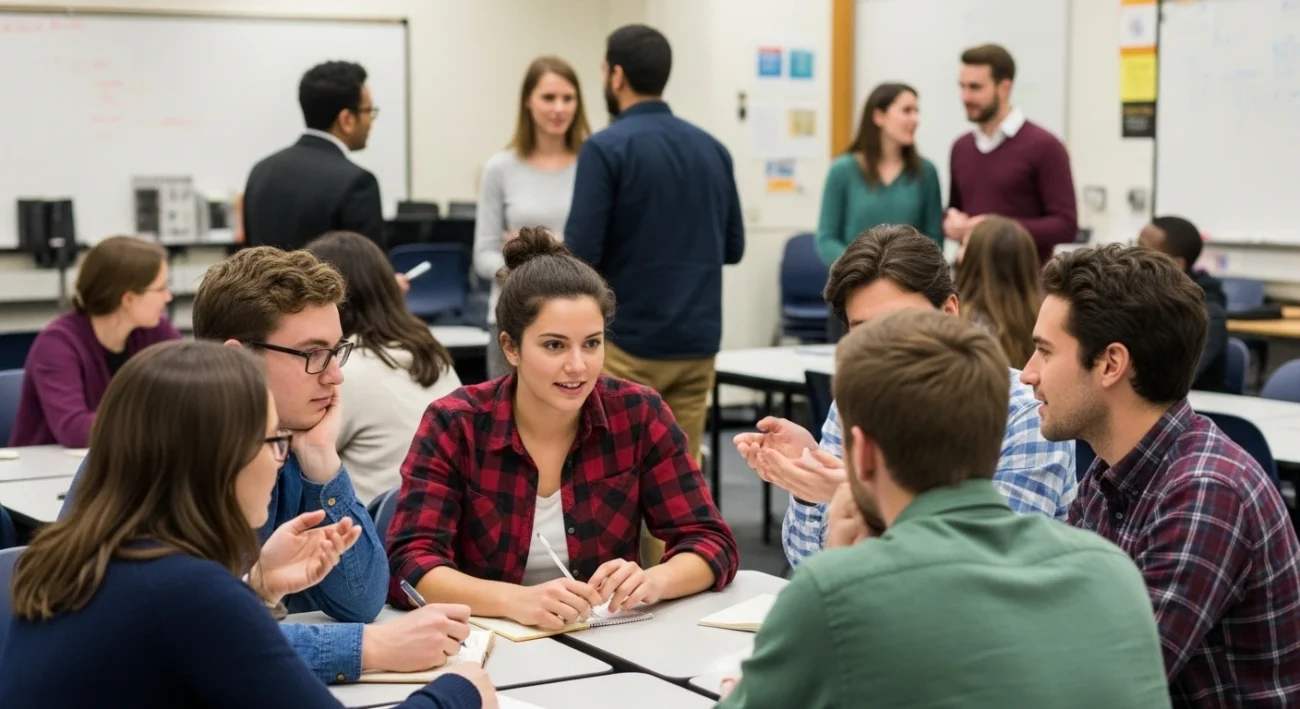
Educational inequalities became starkly visible during the pandemic. Now there’s rich territory for research on how these changes affect social mobility.
Important Research Areas:
- Homeschooling’s growth and its social implications
- Student debt’s impact on life decisions and social participation
- Teachers as social workers: expanding roles in underserved communities
- Educational technology and its role in perpetuating or reducing inequality
- Alternative education models and their effectiveness
- College campus culture changes post-pandemic
- Adult education and career pivoting in a changing economy
- Long-term effects of remote learning on social skills development and academic performance
- Gamification in education: Enhancing engagement and learning outcomes across age groups
- The role of ed-tech in addressing educational inequalities in underserved communities
- Mental health support systems in higher education: Challenges and innovative approaches
- Reimagining standardized testing for the 21st century: Alternatives and their effectiveness
- Microlearning and its impact on traditional degree programs and professional development
- The future of liberal arts education in a STEM-focused world
- Peer-to-peer learning platforms and their effectiveness in supplementing formal education
- The impact of AI tutors and personalized learning algorithms on educational outcomes
- Digital literacy education: Preparing students for an increasingly online world
- The role of makerspaces and hands-on learning in STEM education
- Addressing racial and ethnic disparities in gifted education programs
- The sociology of academic pressure and student burnout
- Inclusive education: Strategies for supporting diverse learning needs in mainstream classrooms
- The impact of school choice policies on educational equity and segregation
Research Question Examples:
- “How does student debt influence young adults’ decisions about marriage and family formation?”
- “What social factors determine success in alternative education models?”
- “How do teachers in low-income schools navigate their expanded social service roles?”
Health, Mental Health, and Society

Mental health awareness has exploded, but social stigma and access issues remain complex topics for research.
Compelling Areas:
- Social media’s impact on teenage mental health and self-perception
- Community responses to mental health crises
- Healthcare disparities in rural versus urban areas
- Alternative healing practices in mainstream healthcare
- Pandemic’s long-term effects on social anxiety and community participation
- Substance abuse treatment and community support systems
- Mental health stigma in different cultural communities
- Telemedicine and its impact on healthcare accessibility in rural and underserved areas
- Social media’s influence on body image, eating disorders, and mental health
- The role of community support groups in managing chronic illnesses
- Vaccine hesitancy: Social, cultural, and political factors influencing public health
- Mental health apps: Effectiveness, privacy concerns, and the digitalization of therapy
- The societal impact of personalized medicine and genetic testing on health disparities
- Social determinants of health in urban vs. rural settings: Comparative analysis
- The intersection of traditional healing practices and modern medicine in various cultures
- The sociology of pandemics: Lessons learned from COVID-19 for future health crises
- Digital health literacy: Bridging the gap in access to online health information
- The impact of wearable health technology on personal health management and privacy
- Food deserts and their impact on community health outcomes
- The opioid crisis: Social factors contributing to addiction and recovery
- Health activism in the digital age: Social media campaigns and their effectiveness
- The role of employers in promoting employee health and well-being
Research Question Examples:
- “How do different communities approach mental health stigma reduction?”
- “What social factors influence someone’s decision to seek mental health treatment?”
- “How has increased mental health awareness changed workplace social dynamics?”
Labor, Work, and Economic Sociology
The “Great Resignation” and remote work revolution have fundamentally altered how we think about work’s role in society.
Hot Research Topics:
- Gig economy workers and community building
- Union organizing in the digital age
- Work-life balance expectations across generations
- Career changes during life transitions
- Side hustles and their impact on traditional employment
- Workplace diversity initiatives and their effectiveness
- Remote work’s effect on professional networking and mentorship
Research Question Examples:
- “How do gig workers create professional communities and support systems?”
- “What generational differences exist in work-life balance expectations?”
- “How has remote work changed informal mentorship in professional settings?”
Race, Ethnicity, and Identity
Racial justice conversations have intensified, creating new research opportunities around identity, community, and social change.
Significant Topics:
- Multiracial identity navigation in different social contexts
- Immigration and second-generation identity formation
- Racial segregation patterns in suburban areas
- Cultural appropriation debates in social media spaces
- Interracial relationships and community acceptance
- Ethnic entrepreneurship in changing neighborhoods
- Language preservation in immigrant communities
Social Inequality and Stratification
In an age of increasing disparities, understanding social inequality is more crucial than ever. Here are 15 compelling topics to explore:
- The impact of artificial intelligence on job market inequality and wage gaps
- Intersectionality of race, gender, and class in educational outcomes and career trajectories
- Wealth disparity and its effects on political representation and policy-making
- Digital divide: How technology access shapes social mobility in developing nations
- Gig economy and its role in perpetuating or alleviating income inequality across generations
- Environmental justice: The correlation between pollution exposure and socioeconomic status
- Ageism in the tech-driven workplace: Challenges for older workers in adapting to new technologies
- Disability rights and accessibility in urban planning and public transportation
- The role of social capital in perpetuating or breaking cycles of poverty
- Gender pay gap: Analyzing progress and persistent challenges across industries
- Racial wealth gap: Historical roots and contemporary manifestations
- Educational inequality: The impact of school funding disparities on student outcomes
- Housing discrimination and its long-term effects on community development
- Healthcare disparities: Socioeconomic factors influencing access to quality medical care
- The sociology of elite educational institutions and social reproduction
Research Question Examples:
- “How do multiracial individuals navigate identity in spaces that expect singular racial categories?”
- “What strategies do immigrant families use to maintain cultural traditions while assimilating?”
- “How do social media discussions about cultural appropriation affect community boundaries?”
Gender, Sexuality, and Social Change
Gender roles continue evolving, and new research examines how these changes affect everything from family life to workplace dynamics.
Current Research Areas:
- Non-binary identity recognition in institutional settings
- Changing masculinity concepts among younger men
- Women in leadership and the social factors that support or hinder advancement
- Gender expression in online versus offline spaces
- LGBTQ+ family formation and community support
- Sexual harassment prevention and community responses
- Gender pay gap factors beyond individual choice
Research Question Examples:
- “How do institutions adapt to accommodate non-binary gender identities?”
- “What social factors influence changing concepts of masculinity among college-aged men?”
- “How do online communities support LGBTQ+ family formation?”
Environmental Sociology and Climate Change
Climate change isn’t just an environmental issue—it’s reshaping communities, economies, and social structures worldwide.
Emerging Topics:
- Climate migration and community resilience
- Environmental justice in urban planning decisions
- Sustainable lifestyle adoption across different social classes
- Community responses to extreme weather events
- Green jobs and their impact on working-class communities
- Environmental activism and generational differences
- Food sustainability and community-supported agriculture
Research Question Examples:
- “How do communities build resilience against climate-related displacement?”
- “What social factors determine adoption of sustainable lifestyle practices?”
- “How do different generations approach environmental activism differently?”
Crime, Deviance, and Digital Security
As technology evolves, so do patterns of crime and deviance. Explore these 15 topics:
- Cyberbullying and its long-term psychological effects on victims and perpetrators
- The sociological implications of predictive policing algorithms and AI in law enforcement
- Dark web communities: Formation, norms, and impact on offline behavior
- Restorative justice programs in the age of mass incarceration: Effectiveness and challenges
- The role of social media in radicalization and extremism across different ideologies
- Deepfakes and their potential for social engineering and misinformation campaigns
- Environmental crimes and corporate accountability in the global context
- The sociology of ethical hacking and bug bounty programs in cybersecurity
- Digital vigilantism: Online communities taking justice into their own hands
- The impact of surveillance technologies on privacy and social behavior
- White-collar crime in the digital age: New forms and detection challenges
- The sociology of scams and fraud: Vulnerabilities in the information age
- Juvenile delinquency and social media: Influence and intervention strategies
- Hate crimes in the digital era: Online origins and real-world consequences
- The role of blockchain in combating digital fraud and ensuring data integrity
Cultural Dynamics in a Globalized World
As our world becomes increasingly interconnected, cultural studies gain newfound importance. Consider these 15 topics:
- Cultural hybridization in the age of social media and global communication
- The role of virtual reality in preserving and experiencing endangered cultures
- Cancel culture: Impact on free speech, social norms, and public discourse
- Cryptocurrency adoption across different cultural contexts and its social implications
- Neo-tribalism and online community formation: Identity in the digital age
- The influence of K-pop and other global music phenomena on youth culture worldwide
- Cultural appropriation vs. appreciation in the fashion industry and popular media
- Food as a medium of cultural exchange in immigrant communities and fusion cuisines
- The impact of streaming services on global cultural consumption patterns
- Language evolution in the digital era: Emojis, memes, and new forms of communication
- Cultural diplomacy: The role of arts and media in international relations
- The sociology of fandoms and their influence on popular culture
- Cross-cultural differences in work ethics and their impact on global business
- The role of museums in the age of digital reproduction and virtual tours
- Cultural resilience: How minority cultures maintain identity in multicultural societies
How to Choose Your Perfect Sociology Research Topic
Here’s my step-by-step process:
1. Start with your interests What social issues genuinely fascinate you? Your passion will carry you through months of research.
2. Check current events Look at news headlines from the past six months. What social patterns do you notice?
3. Consider your resources Can you access the data or interview subjects you need? Graduate students have different resource access than undergraduates.
4. Test your scope Too broad: “Social media’s impact on society” Too narrow: “How Instagram affects mood on Tuesdays” Just right: “Instagram’s influence on body image among college athletes”
5. Ask the “So what?” question Why does your research matter? How might it change how we understand society?
Research Methods That Work for Different Topics

Quantitative approaches work well for:
- Large-scale social trends
- Demographic changes
- Survey-based attitude research
- Statistical relationship analysis
Qualitative methods shine with:
- Community-based research
- Identity and experience studies
- Cultural analysis
- In-depth process examination
Mixed methods excel at:
- Complex social phenomena
- Policy evaluation research
- Community intervention studies
- Multi-level social analysis
Common Mistakes to Avoid
The “everything” trap: Trying to study too many variables at once
The bias blind spot: Not recognizing your own assumptions
The accessibility problem: Choosing topics you can’t actually research
The relevance gap: Picking topics that don’t connect to current social issues
The theory void: Forgetting to connect your research to sociological frameworks
Research Tips for Success:
- Focus on current sociological issues: Follow sociology journals, attend webinars, and engage with reputable news sources to keep abreast of the latest developments in your chosen area.
- Embrace interdisciplinary approaches: Don’t hesitate to draw insights from related fields like psychology, economics, anthropology, or political science to enrich your sociological perspective.
- Utilize data visualization tools: Present your findings in engaging, easy-to-understand formats to maximize impact and make your research more accessible.
- Consider mixed-method research: Combine quantitative data analysis with qualitative insights for a more comprehensive understanding of complex social issues.
- Engage with online sociology communities: Platforms like SocArXiv, academic social networks, or sociology forums can provide valuable peer feedback and networking opportunities.
- Prioritize ethical considerations: Ensure your research methods respect privacy, consent, and the well-being of participants, especially when dealing with sensitive topics.
- Seek mentorship: Connect with professors or experienced researchers in your area of interest for guidance and potential collaboration opportunities.
- Consider the practical implications: Think about how your research might be applied to real-world situations or inform policy decisions.
Also Read: Writing a Compelling Sociology Essay: Top 5+ Tips & Tricks
Also Read: A List of Top 200+ Compelling Essay Topics on Slavery for Students
FAQ Section
What are the best sociology research topics for beginners?
Start with topics close to your experience: student life, family dynamics, or community organizations you know well. Examples include “Social media use among college students” or “Volunteer motivations in local nonprofits.”
How do I make sure my sociology topic is original?
Search recent journal articles and graduate theses in your area. Look for gaps in current research or new angles on established topics. Consider how recent events might change older findings.
What’s the difference between a research topic and a research question?
A topic is broad (like “social media and relationships”). A research question is specific and testable (“How does Instagram use affect romantic relationship satisfaction among 18-24 year olds?”).
How current should my sources be for sociology research?
For most topics, prioritize sources from the last 5-7 years. For rapidly changing areas like technology and social media, focus on the last 2-3 years.
Can I study controversial topics in sociology?
Yes, but approach them academically and objectively. Controversial topics often make compelling research when handled with proper methodology and ethical considerations.
How do I narrow down my research topic?
Use the “funnel approach”: Start broad, then narrow by demographics, geographic area, time period, or specific aspects of the phenomenon.
What if I can’t find enough sources on my topic?
This might mean your topic is too narrow, too new, or needs reframing. Consider broadening slightly or approaching from a different angle.
Should I choose topics based on available data?
Partly. Ensure you can access necessary data, but don’t let data availability completely drive your choice. Creative researchers find ways to study important topics.
How do I know if my topic is sociologically relevant?
Ask: Does it examine social relationships, structures, or processes? Does it connect to major sociological theories? Does it help us understand society better?
Can I change my research topic after starting?
Usually yes, especially early in the process. It’s better to pivot to a more feasible or interesting topic than struggle with an unsuitable one.
Start Your Research Journey?
Choosing the right sociology research topic sets the foundation for everything that follows. The topics in this guide represent some of the most compelling social questions of our time.
Remember: the best sociology research doesn’t just describe what’s happening—it helps us understand why it matters and how we might create positive change.
Your research could be the key to understanding a crucial social issue. It might influence policy, change minds, or simply help people make sense of the world around them.
What social question keeps you awake at night? That might just be your perfect research topic.
The world needs sociologists who ask bold questions and seek meaningful answers. Make sure you’re one of them.
The topics as mentioned allow sociologists to contribute to the field of sociology and develop critical thinking and research skills essential for navigating complex social landscape. Dive deep into these topics, challenge existing assumptions, and bring fresh insights to the field of sociology.
Remember, the field of sociology is vast and ever-evolving. While this list provides a comprehensive starting point, don’t be afraid to combine ideas or explore emerging issues that may not be explicitly listed here.
Happy researching, and may your sociological inquiries contribute to a deeper understanding of our complex social world!
